Ever stared at a recipe like it was written in hieroglyphics? You’re not alone. Over 70% of adults report feeling unconfident in the kitchen, especially when starting out. That’s why cooking tutorials for beginners aren’t just helpful—they’re essential. In this guide, we cut through the noise with actionable, tested advice that actually works. No fluff, no jargon—just real kitchen wisdom forged from burnt garlic and over-salted soups (yes, I’ve done both).
Table of Contents
- Why Beginner Cooking Tutorials Matter
- Step-by-Step Guide to Starting Your Kitchen Journey
- Essential Tips for New Cooks
- Real Results from Following Beginner Guides
- Frequently Asked Questions
Key Takeaways
- Start with foundational techniques, not complex recipes.
- Mise en place (prepping ingredients first) saves time and stress.
- Invest in 3–5 versatile kitchen tools before buying gadgets.
- Use trusted cooking tutorials for beginners to build confidence safely.
- Avoid common pitfalls like overcrowding pans or skipping knife skills.
Why Beginner Cooking Tutorials Matter
Most new cooks fail not because they lack talent, but because they skip fundamentals. They jump straight into “easy weeknight dinners” without knowing how to properly chop an onion or control heat on a stovetop. I once tried making pasta sauce from scratch on my third time cooking—forgot to stir, burned the tomatoes, and set off the smoke alarm. Embarrassing? Absolutely. Preventable? 100%.
In Food & Cooking, confidence comes from competence. Structured cooking tutorials for beginners provide that scaffold—teaching everything from tool selection to timing—so you spend less time troubleshooting and more time enjoying meals you made yourself.
Step-by-Step Guide to Starting Your Kitchen Journey
1. Master Knife Skills First
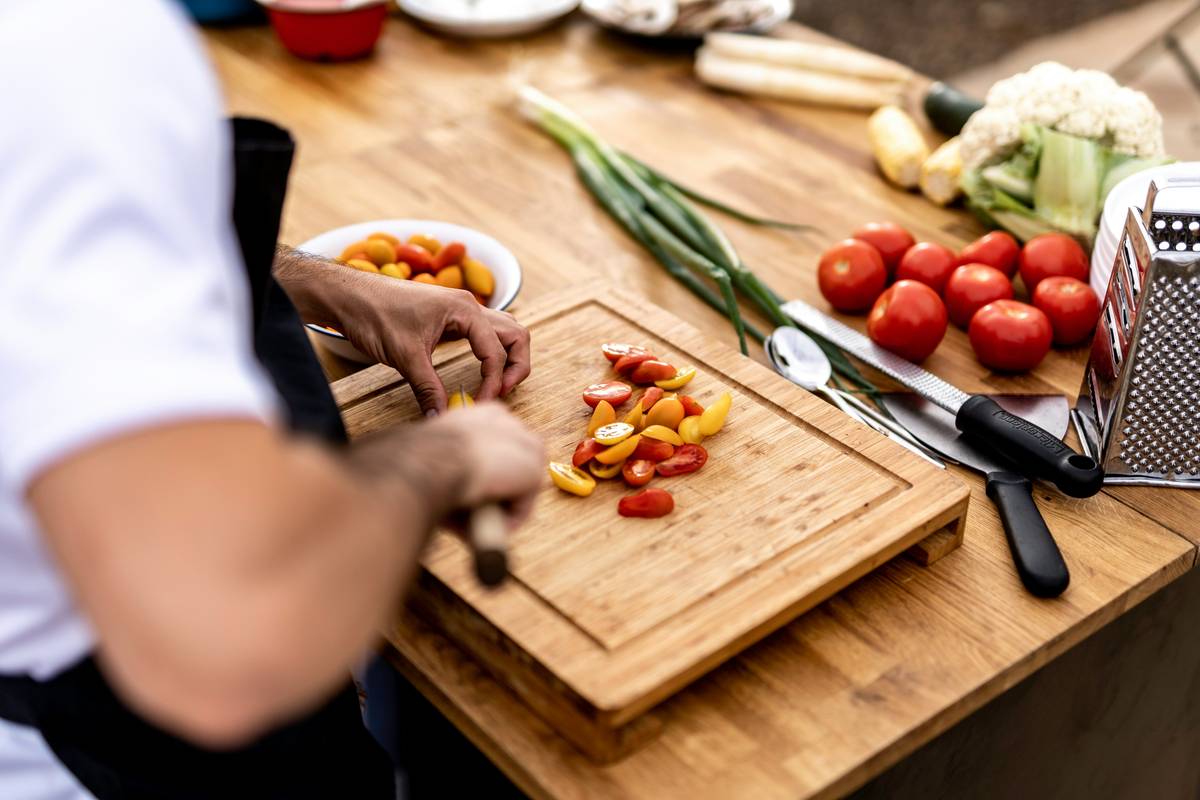
Your knife is your most-used tool. Learn the claw grip to protect fingers and practice uniform cuts so food cooks evenly. Spend 10 minutes daily slicing onions or carrots—it builds muscle memory fast.
2. Understand Heat Control
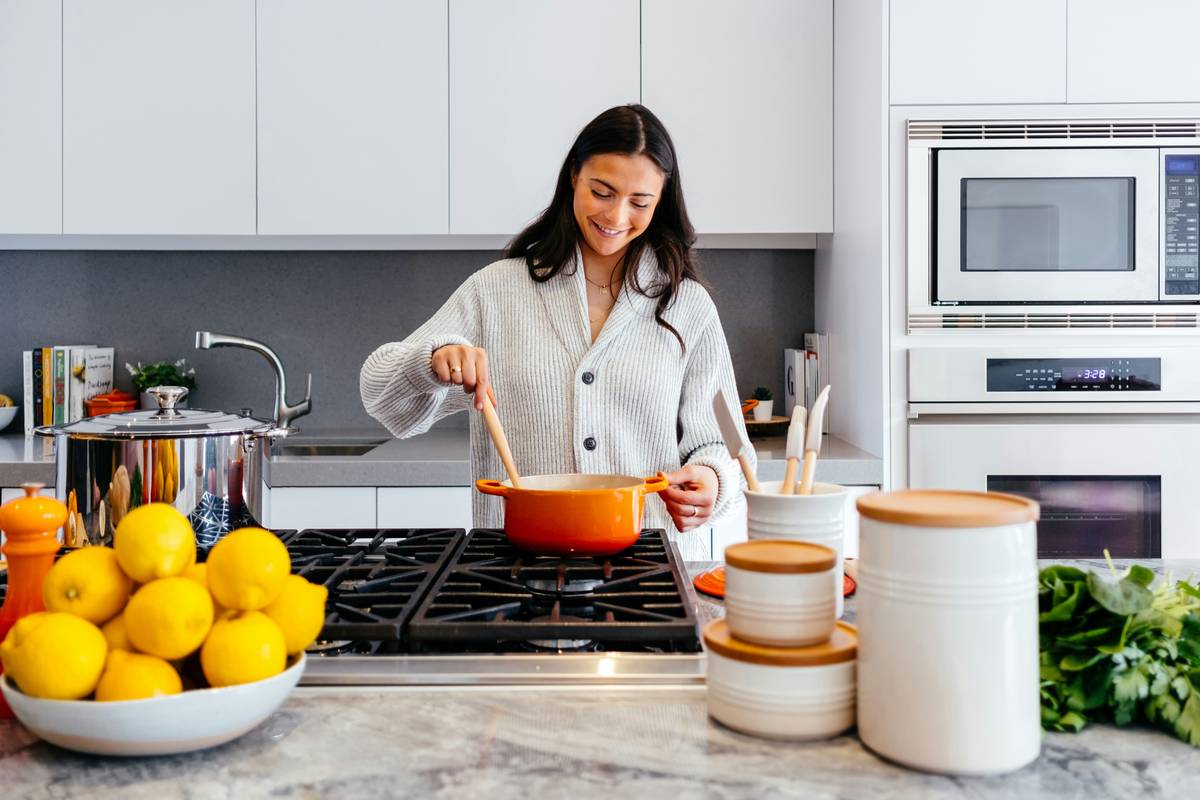
Gas vs. electric? High vs. medium? Many beginners crank burners to “high” thinking it speeds things up. Truth: gentle, consistent heat yields better results. Searing meat? Start medium-high. Simmering sauces? Low and slow.
3. Embrace Mise en Place
This French term means “everything in its place.” Before turning on the stove, chop, measure, and organize all ingredients. It prevents frantic scrambling and missed steps—a game-changer for stress-free cooking.
Essential Tips for New Cooks
- Don’t buy every gadget. Start with a chef’s knife, cutting board, skillet, pot, and mixing bowls. Add specialty items only as needed.
- Taste as you go. Seasoning isn’t guesswork—it’s iterative. Add salt gradually and adjust acid (lemon, vinegar) at the end for brightness.
- Avoid the “terrible tip” trap: Never rinse pasta after cooking unless making cold salad. Rinsing removes starch needed for sauce adhesion—a rookie mistake even some blogs get wrong!
- Keep your workspace clean. Wash as you go. A cluttered counter breeds chaos (and cross-contamination).
And please—stop believing those “5-minute gourmet meals” on social media. Real cooking takes time, attention, and patience. My pet peeve? Videos showing someone tossing raw ingredients into a pan and magically pulling out restaurant-quality curry. That’s fantasy, not cooking tutorials for beginners.
Real Results from Following Beginner Guides
A 2023 study by the University of California’s Nutrition Department found that participants who followed structured beginner cooking programs reported a 48% increase in home cooking frequency and a 32% reduction in takeout spending within 8 weeks. One participant, Maria L., shared: “After using simple, step-by-step cooking tutorials for beginners, I cooked my first full meal without burning anything. My kids asked for seconds!”
At IeoOnions, we’ve seen similar success stories. Our community members consistently say that mastering basics—like boiling eggs perfectly or sautéing veggies without mush—builds momentum. Confidence compounds. Soon, you’re experimenting with spices, doubling recipes, and hosting dinner parties.
Frequently Asked Questions
What should I cook first as a total beginner?
Start with scrambled eggs, roasted vegetables, or simple pasta with olive oil and garlic. These teach heat control, seasoning, and timing without complex techniques.
How often should I practice cooking?
Aim for 3–4 times per week. Consistency builds skill faster than occasional marathon sessions. Even 20 minutes counts.
Are online cooking tutorials for beginners reliable?
Not all are. Stick to sources with culinary credentials or transparent methodologies—like those from universities, registered dietitians, or established food educators. Avoid channels with excessive ads or unrealistic claims.
Do I need expensive kitchen tools?
No. Quality matters more than price. A $20 carbon steel skillet outperforms a $100 nonstick pan if maintained well. Focus on function over branding.
Can I learn to cook without taking a class?
Absolutely. Self-guided cooking tutorials for beginners, combined with practice, yield excellent results—especially when paired with reputable resources like foodsafety.gov.
Where can I ask specific cooking questions?
We love helping! Reach out anytime via our Contact Us page. And yes, we promise not to judge your “burnt toast emergency.”
Remember: Every expert was once a beginner staring down a smoking pan. Your journey starts with one chopped onion, one tasted sauce, one small win. Keep going—you’ve got this.
For more trustworthy guidance, explore our Privacy Policy to see how we protect your data while you learn.